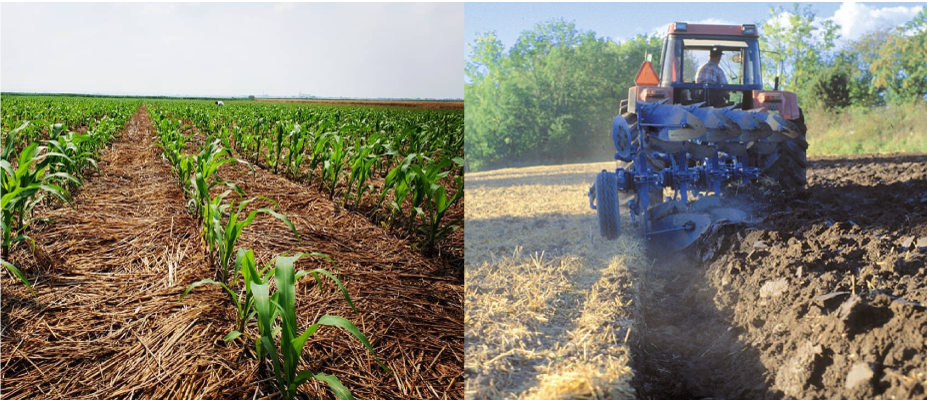
What outcomes are
Outcomes are the result of the way the soil system functions over time.
They do not arise in a single season, but accumulate as a consequence of a series of decisions and soil-system responses.
They are observed through:
- yield
- production stability
- cost efficiency
- profitability over time
- risk across different conditions
- organic matter and carbon
- long-term functionality and soil value
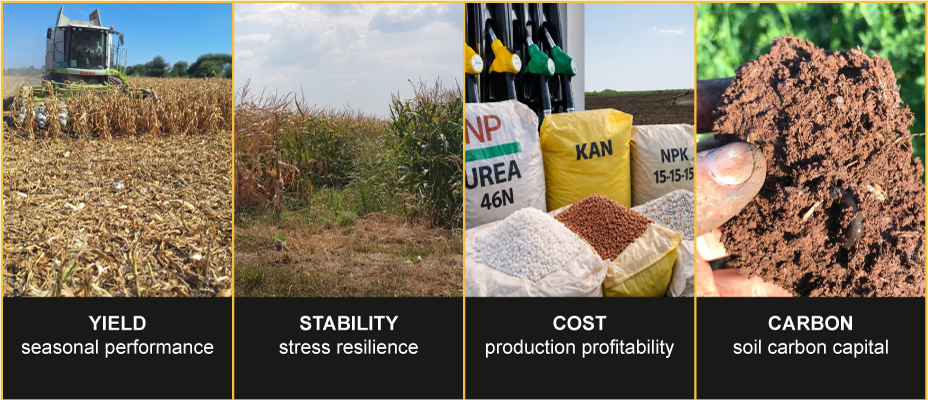
Yield as an outcome
A high yield in one season does not mean the system is functioning.
The system is recognized through:
- stability in poor years
- lower variability
- predictable behavior
Stability is a more important signal than the maximum.
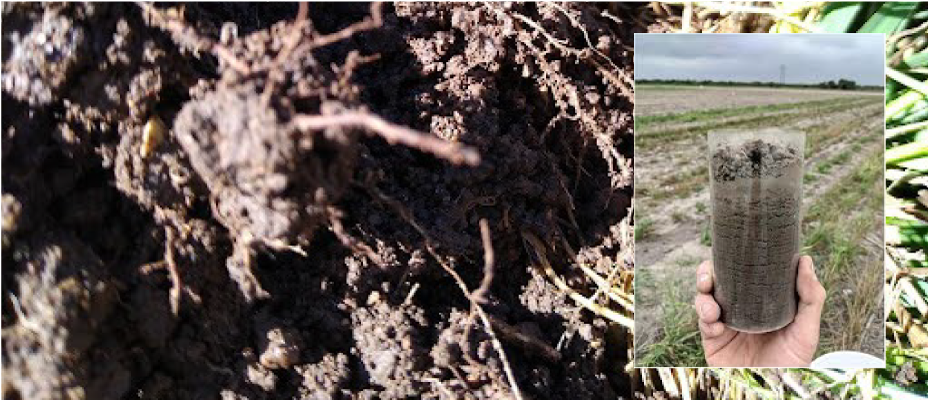
Carbon as an outcome
Carbon is often seen as a goal.
But in a functional system, it is the result.
An increase in organic matter and carbon shows:
- that the system retains resources
- that processes are functioning
- that there is continuity over time
Carbon is not something that is simply added. It is something the system retains.
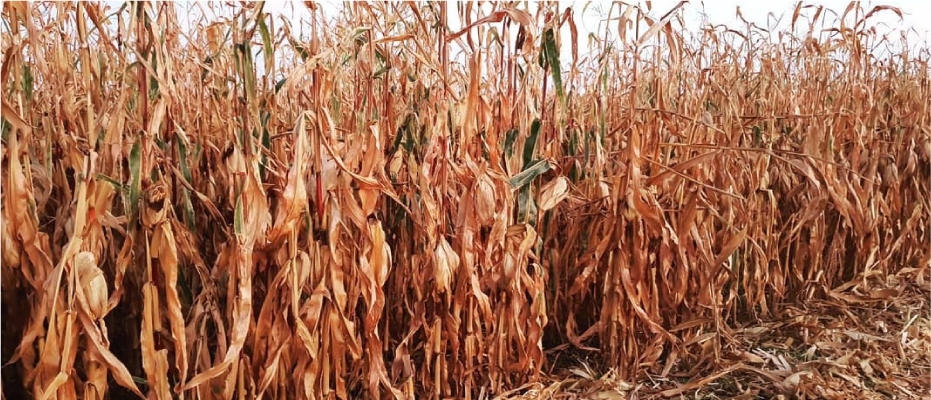
Outcome and load
Outcomes are directly connected to the load of the system (LOAD).
A system with high LOAD:
- can produce a high result in good conditions
- but loses stability in stressful situations
A system with sustainable LOAD:
- delivers more stable results
- has lower variability
- responds better to changing conditions
The system does not break because of one decision — it breaks because of a load it can no longer carry.